Research Team
Physicists, mathematicians, and computational scientists developing the Recognition Science framework.
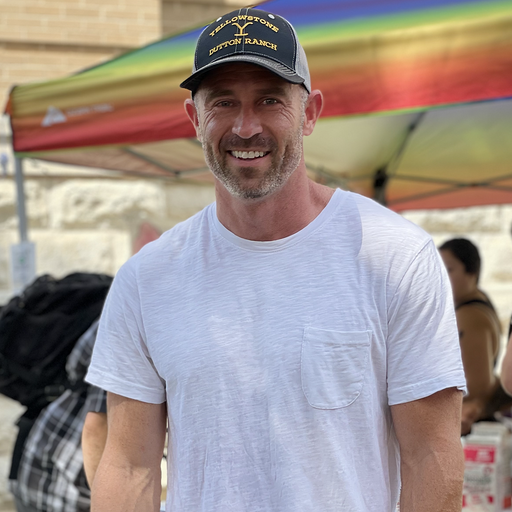
Jonathan Washburn
Director
Jonathan Washburn discovered the Recognition Science framework and developed the meta-principle "Nothing cannot recognize itself" as the tautological foundation for all physical law. His insight that reality must emerge from pure logical necessity provides the first parameter-free theory of everything with zero free parameters.
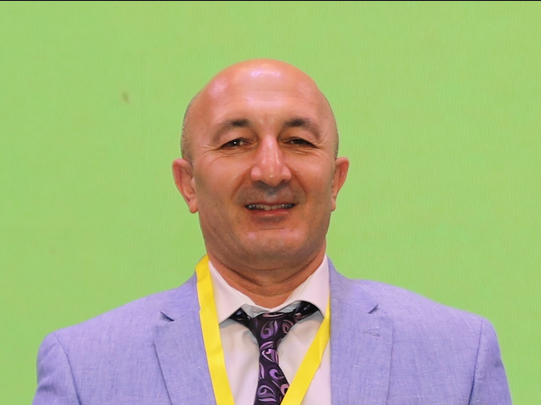
Dr. Elshad Allahyarov
Team Lead
Dr. Allahyarov leads theoretical research programs, bringing decades of expertise in many-body systems, plasma physics, and advanced materials science. Since 1988, he has served as Senior Scientific Researcher at the Joint Institute for High Temperatures of the Russian Academy of Sciences.
Education: Dr. Sci. Physics & Mathematics, General Physics Institute RAS & Heinrich-Heine University Düsseldorf
Education: Dr. Sci. Physics & Mathematics, General Physics Institute RAS & Heinrich-Heine University Düsseldorf
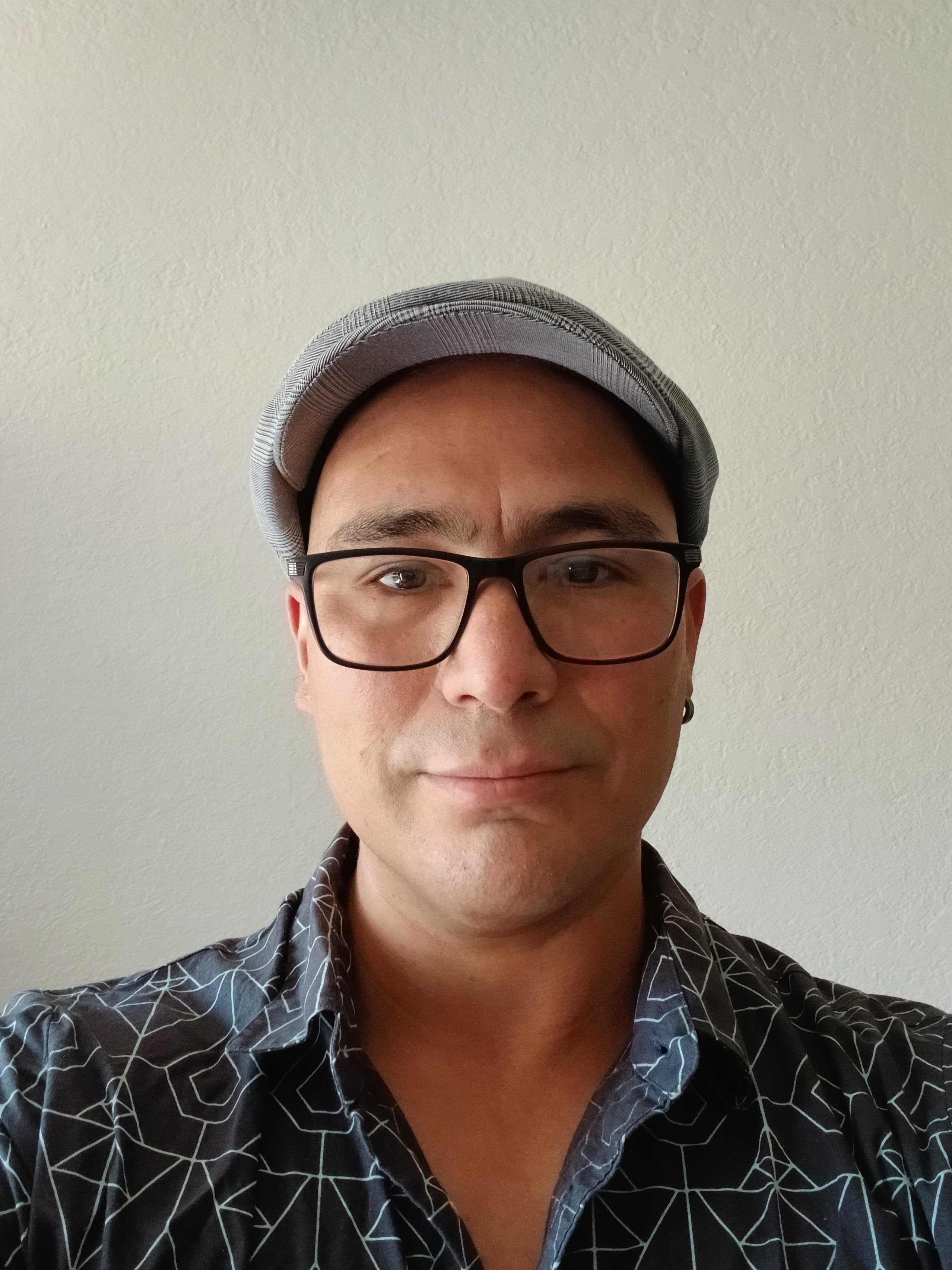
Dr. Sebastian Pardo Guerra
Research Scientist
Sebastian leads mathematical research bridging abstract theoretical frameworks with Recognition Science principles. His expertise in Category Theory and Graph Theory provides essential foundations for understanding information flow and emergent behavior. He completed postdoctoral work at UC San Diego in applied mathematics.
Education: Ph.D. Pure Mathematics, Universidad Nacional Autónoma de México (UNAM)
Education: Ph.D. Pure Mathematics, Universidad Nacional Autónoma de México (UNAM)
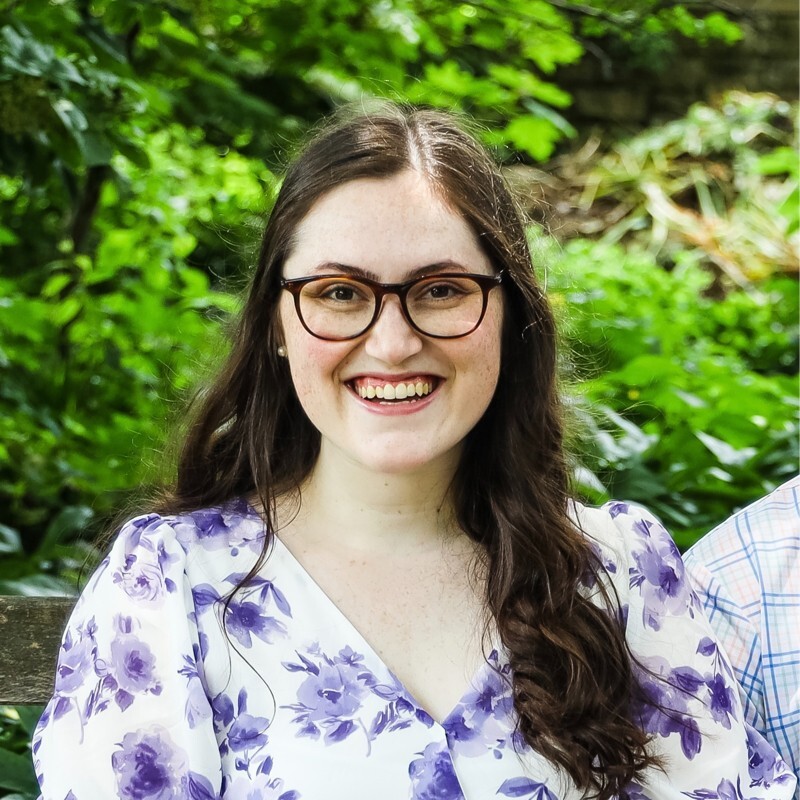
Dr. Megan Simons
Research Scientist
Dr. Simons applies Recognition Science principles to molecular and chemical systems, integrating quantum chemistry with data-driven modeling techniques. Her work explores how recognition-theoretic frameworks can enhance understanding of complex molecular interactions and spectroscopic phenomena.
Education: Ph.D. Theoretical and Computational Chemistry, Southern Methodist University
Education: Ph.D. Theoretical and Computational Chemistry, Southern Methodist University
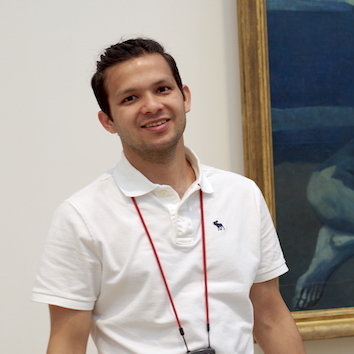
Dr. Anil Thapa
Research Scientist
Dr. Thapa investigates the frontiers of particle physics through Recognition Science frameworks, exploring connections between neutrino physics, dark matter, and beyond-Standard-Model phenomena. His research integrates effective field theory with Recognition Science principles for unified theories.
Education: Ph.D. Theoretical Physics, Colorado State University
Education: Ph.D. Theoretical Physics, Colorado State University
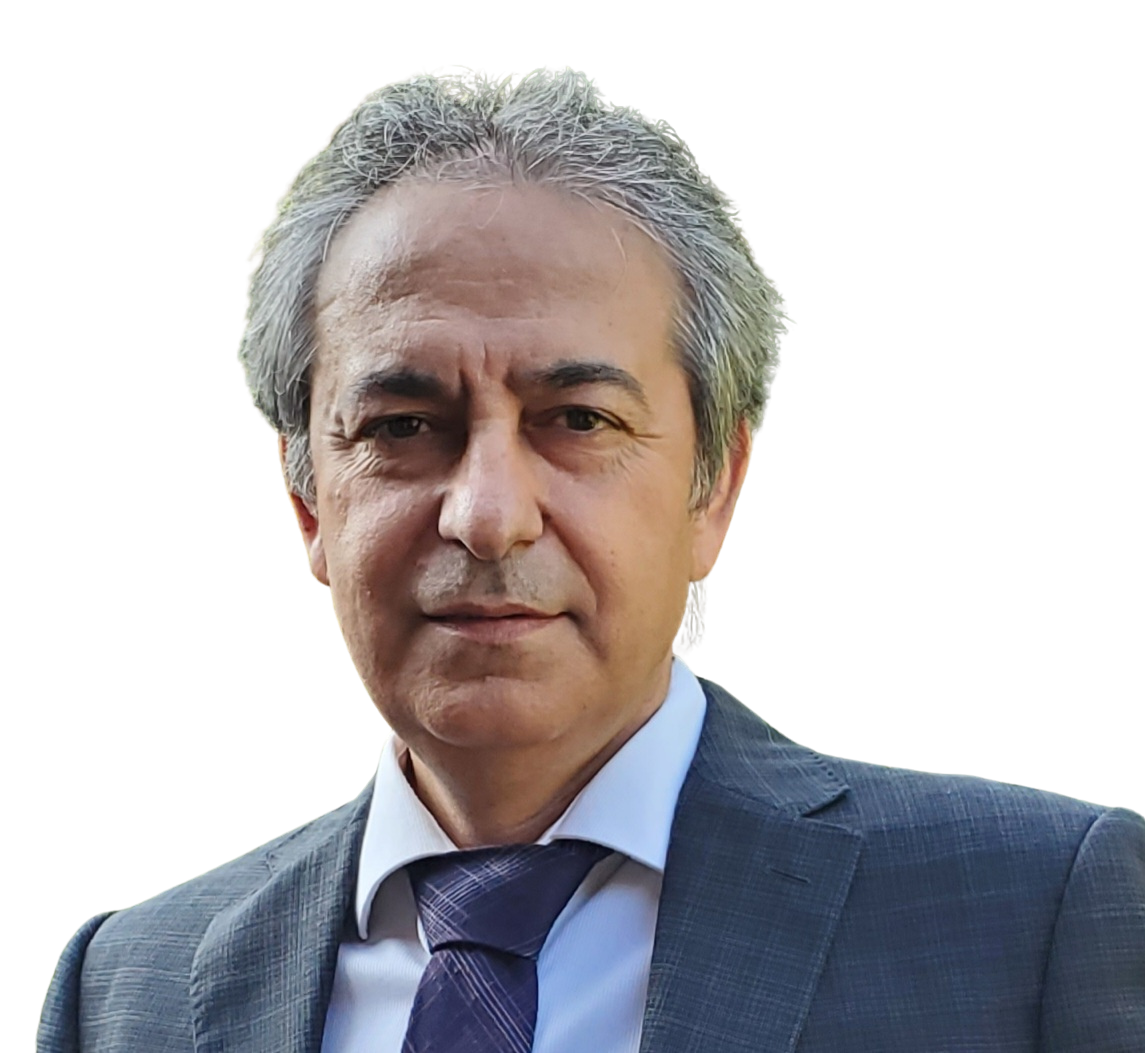
Dr. Amir Rahnamai Barghi
Research Scientist
Dr. Rahnamai Barghi's work centers on algebraic combinatorics and scheme theory, with applications to theoretical frameworks supporting Recognition Science. He has 20+ years of academic experience, including contributions to the study of algebraic cycles and Hodge theory.
Education: Ph.D. Mathematics, TMU University; M.S. Computer Science, University of Ottawa
Education: Ph.D. Mathematics, TMU University; M.S. Computer Science, University of Ottawa
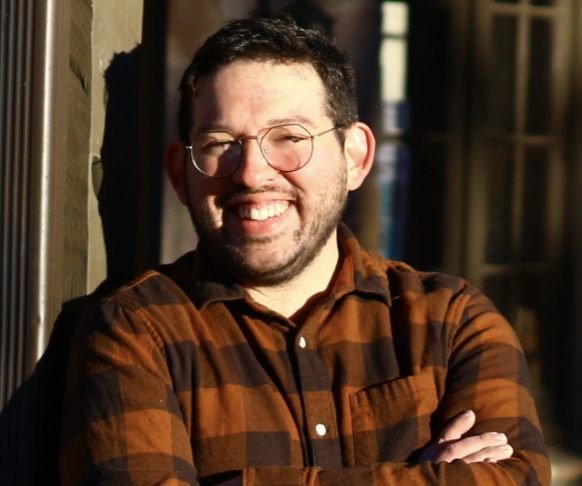
Dr. Dylan Funk
Research Scientist
Dylan Funk is a plasma physicist specializing in computational modeling, extended magnetohydrodynamics, and dusty plasma theory. He earned his PhD in Physics from Auburn University, where he developed new theoretical and simulation-based methods for calculating dust charge in magnetized and strongly coupled plasmas. His work integrates analytical theory, molecular dynamics simulations, and experimental design to study complex plasma behavior. He has extensive experience in scientific computing, including Python, C/C++, Fortran, and MATLAB, applied to large-scale physics modeling and data analysis.
Education: Ph.D. Physics, Auburn University
Education: Ph.D. Physics, Auburn University
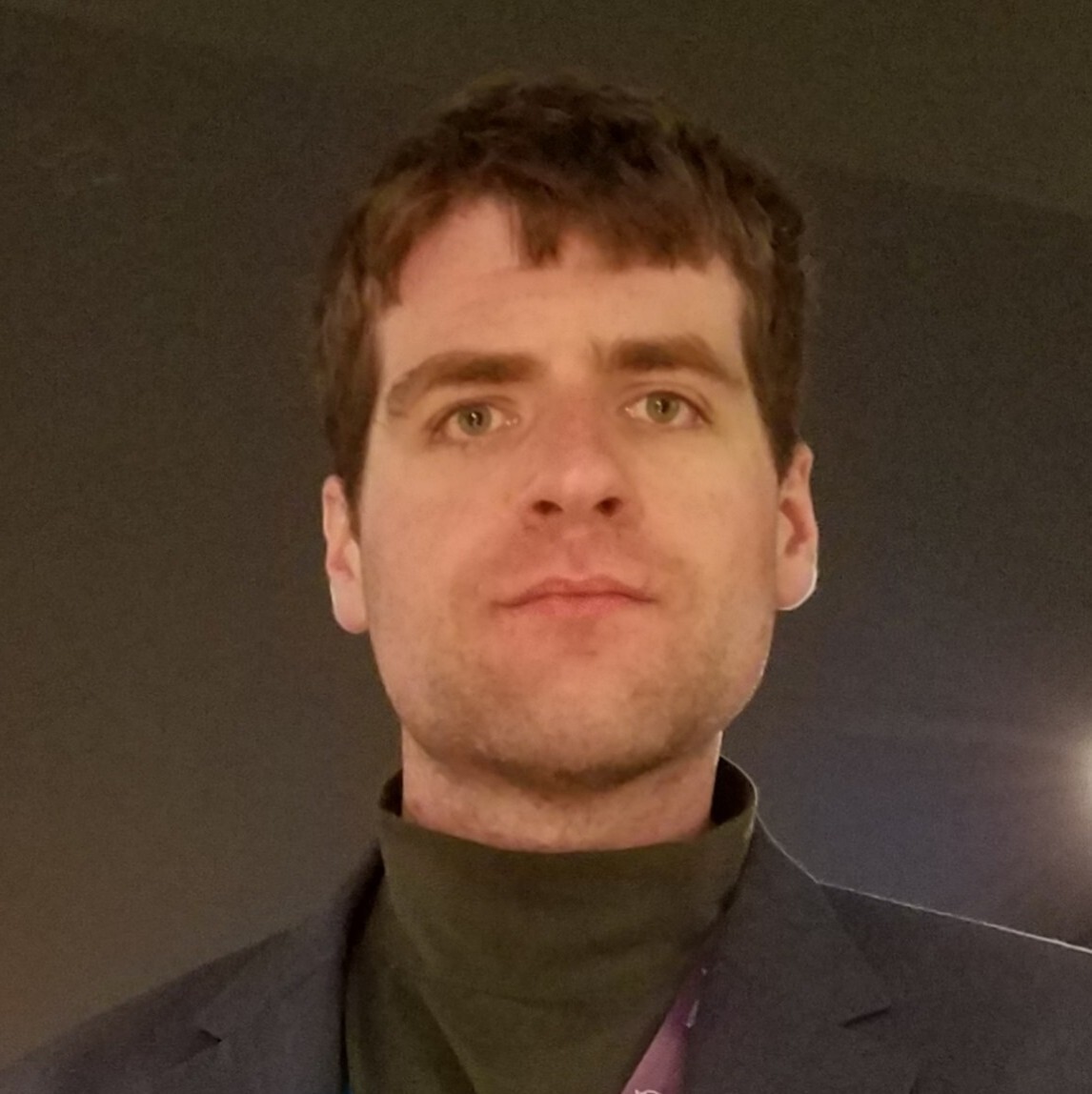
Dr. Philip Beltracchi
Research Scientist
Philip Beltracchi works primarily on general relativistic astrophysics relating to compact objects, rotation, and exotic equations of state. Previously worked on computational solid state physics and renewable energy.
Education: Ph.D. Astrophysics, University of Utah
Education: Ph.D. Astrophysics, University of Utah
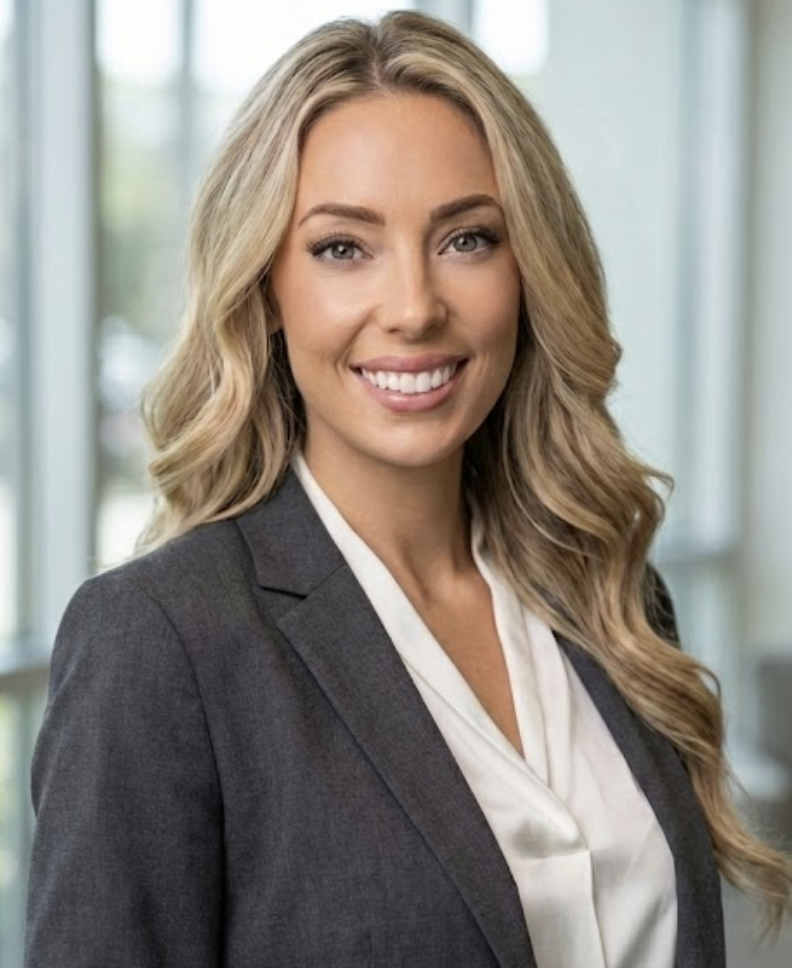
Emma Tully
Chief Operating Officer
Emma Tully leads research operations and execution across publications, partnerships, and experimental validation—turning complex theoretical work into clear, referee-readable papers and measurable technical milestones. Her work focuses on building the infrastructure to translate Recognition Science into conventional scientific formats and real-world tests.